
Anúncios
In the shadows between gratitude and captivity lies a story that challenges our understanding of freedom, obligation, and the invisible chains that bind one soul to another forever.
⚔️ When Rescue Becomes Imprisonment: The Paradox of Saved Lives
The concept of life debt has haunted human civilization since ancient times, weaving itself into our mythologies, legal systems, and moral frameworks. When one person saves another from certain death, what obligation does the rescued bear toward their savior? This question forms the foundation of countless narratives throughout history, but none quite as haunting as those where salvation transforms into servitude.
Anúncios
The tale of bound fate begins where desperation meets intervention. Picture a moment frozen in time: a hand reaching through darkness, pulling someone from the abyss of death. That single act creates an invisible thread between two souls, a connection that society has historically viewed as sacred, unbreakable, and demanding of reciprocation.
Throughout various cultures, the notion of owing one’s life to another has manifested in different forms. In feudal Japan, this concept was known as “giri,” an obligation so profound that failure to repay it brought dishonor worse than death itself. Ancient Roman society recognized the “patronus-cliens” relationship, where saved individuals became bound to their rescuers through ties that transcended mere gratitude.
Anúncios
🔗 The Weight of Gratitude: When Thankfulness Transforms Into Bondage
The psychological impact of being saved from death creates a unique emotional landscape. Survivors often experience a complex mixture of profound gratitude, existential debt, and identity crisis. When does healthy appreciation cross the line into unhealthy dependence? When does a rescuer’s expectation of loyalty become exploitation?
Modern psychology recognizes what experts call “rescue trauma bonding,” a phenomenon where the intensity of a life-threatening situation creates powerful emotional attachments between the saved and the savior. These bonds can be so strong that they override rational decision-making, causing individuals to accept treatment and circumstances they would otherwise reject.
Consider the survivor who feels they no longer own their life because someone else preserved it. This mindset can lead to decades of self-sacrifice, where personal dreams, ambitions, and even basic autonomy are surrendered at the altar of perpetual gratitude. The saved person may rationalize their captivity as righteous repayment, unable to see the chains that have replaced their freedom.
The Savior Complex and Its Dark Side
Not all rescuers act with pure intentions, and even those who initially do may find themselves corrupted by the power dynamic that saving a life creates. The savior complex can transform well-meaning individuals into controllers, manipulators, and ultimately oppressors who use the act of rescue as eternal leverage.
The rescued individual becomes a living testament to the savior’s heroism, a constant reminder of their power over life and death. This dynamic can be intoxicating, leading some rescuers to view their saved companions not as equals deserving of freedom, but as possessions earned through their brave intervention.
🌍 Historical Echoes: Tales of Salvation and Servitude
History provides numerous examples of this troubling dynamic. In medieval Europe, peasants saved from bandits or natural disasters often found themselves indebted to local lords, their rescue becoming the justification for generations of serfdom. The saved life was not their own to live freely—it belonged to the one who preserved it.
Colonial narratives frequently employed this framework, with colonizers positioning themselves as saviors of “primitive” peoples, using this constructed debt to justify decades of exploitation and control. The saved populations were expected to demonstrate eternal gratitude through submission, labor, and the surrender of their autonomy.
Even in contemporary settings, this pattern persists. Human trafficking survivors sometimes find themselves re-exploited by those who “rescued” them from their initial captivity. Immigration scenarios can create similar dynamics, where individuals who facilitate dangerous border crossings hold their “debt” over the migrants for years, extracting labor, money, or other forms of payment.
Literary Representations of Bound Destinies
Literature has long explored this theme with nuance and depth. From ancient epic poems to modern novels, the tension between gratitude and freedom provides rich narrative ground. These stories often grapple with the moral complexity of obligations formed in extreme circumstances.
In classic literature, characters saved from death frequently struggle with their perceived duty to their rescuers, even when that duty demands unconscionable sacrifice. These narratives ask readers to consider: at what point does repaying a life debt become self-annihilation? When does honor become foolishness?
💔 The Psychology of Captive Gratitude: Understanding the Mindset
The mental state of someone living under the weight of life debt is complex and often misunderstood. These individuals typically experience a unique form of cognitive dissonance where they simultaneously recognize their lack of freedom while defending the circumstances that constrain them.
Psychologists identify several key factors that maintain this psychological captivity:
- Survivor’s Guilt: The feeling that they should have died, making their continued existence contingent on constant repayment
- Learned Helplessness: The belief that they cannot survive or thrive without their savior’s continued protection
- Identity Fusion: The merging of self-identity with the role of “the saved one,” making independence feel like betrayal or self-destruction
- Trauma Bonding: The neurological and emotional attachments formed during high-stress rescue situations
- Social Reinforcement: Cultural narratives that validate and even romanticize perpetual gratitude and self-sacrifice
These psychological mechanisms create invisible prisons far more secure than any physical chains. The captive becomes their own jailer, policing their thoughts and desires to align with their perceived obligations.
⚖️ Moral Philosophy: Do We Own Lives We’ve Saved?
Philosophical traditions offer varied perspectives on life debt ethics. Utilitarian philosophy might argue that the greatest good comes from the saved person living freely and productively, not from serving their rescuer. Deontological ethics would focus on the inherent dignity and autonomy of all individuals, regardless of circumstances of rescue.
Virtue ethics presents perhaps the most interesting framework, asking what character traits define both good rescuers and properly grateful survivors. True virtue in saving a life, this tradition suggests, includes desiring freedom and flourishing for the saved person, not their eternal servitude.
Eastern philosophical traditions offer additional perspectives. Buddhist philosophy emphasizes the interconnectedness of all beings, suggesting that saving a life is simply recognizing our shared humanity, not creating a transaction requiring repayment. Confucian thought, while emphasizing duty and reciprocity, also stresses the importance of balance and appropriateness in relationships.
The Social Contract of Rescue
Modern ethical frameworks increasingly recognize that saving a life creates no legitimate claim to that life. The act of rescue, while noble and worthy of gratitude, does not transfer ownership of the saved person’s existence. Gratitude should be freely given, not extracted through coercion or manipulation.
This perspective challenges millennia of cultural assumptions but aligns with contemporary understandings of human rights, dignity, and autonomy. No circumstance, however extreme, justifies one person claiming permanent control over another’s life and choices.
🦋 Breaking Free: The Journey from Gratitude to Autonomy
For those living under the weight of life debt, liberation requires both internal psychological work and often external support. The journey typically involves several challenging stages, each demanding courage and persistence.
First comes recognition—the difficult acknowledgment that gratitude has transformed into captivity. This realization often triggers intense guilt, as individuals feel they are betraying their savior by even questioning the relationship dynamic. Support systems, whether friends, family, or professional counselors, become crucial during this stage.
Next comes the cognitive reframing of the rescue itself. Rather than viewing their continued existence as something they owe, individuals must recognize their inherent worth and right to autonomous life. This doesn’t diminish gratitude—it contextualizes it appropriately.
The final stages involve practical steps toward independence: establishing separate social networks, developing self-sufficiency, and setting boundaries that honor both past gratitude and present autonomy. This process is rarely linear and often requires sustained effort over months or years.
Support Systems and Resources
Various organizations worldwide now recognize and address situations where rescue dynamics have become exploitative. Human rights groups, counseling services, and legal aid organizations provide assistance to those trapped by perceived obligations to their rescuers.
Therapeutic approaches specifically addressing trauma bonding and life debt psychology have emerged, offering structured pathways to psychological freedom. These interventions help individuals separate healthy gratitude from unhealthy servitude while developing the emotional tools necessary for independent living.
🌟 Redefining Rescue: Toward a Healthier Model of Salvation
Moving forward, society must cultivate a new understanding of what it means to save a life. True rescue includes not just physical preservation but honoring the autonomy and inherent dignity of the saved person. Rescuers should act without expectation of perpetual gratitude or servitude.
This evolved model recognizes that saving a life is its own reward, requiring no additional payment from the survivor. Gratitude, when freely given without coercion or expectation, becomes more meaningful and authentic. The relationship between rescuer and rescued can transform into something beautiful: a connection based on mutual respect rather than obligation and control.
Educational initiatives can help reshape cultural narratives around rescue and debt. Teaching children and adults alike that saving someone creates no ownership claim helps prevent these harmful dynamics from forming in the first place. Stories and media that portray healthy post-rescue relationships provide important alternative models to traditional narratives of eternal servitude.
🔓 The Liberation Narrative: Choosing Freedom Without Guilt
Perhaps the most revolutionary act for someone bound by life debt is choosing freedom without drowning in guilt. This requires recognizing that their rescuer’s heroic act is not diminished by the survivor living autonomously. In fact, true heroism wants nothing more than for the saved person to thrive independently.
The chains that bind victims of life debt are ultimately sustained by internal beliefs more than external circumstances. While practical constraints may exist, the most powerful prison is the mental framework that makes freedom feel like betrayal. Dismantling this framework is the key to genuine liberation.
Stories of successful liberation provide hope and roadmaps for others trapped in similar circumstances. When individuals break free from life debt bondage and go on to live fulfilling, autonomous lives, they demonstrate that gratitude and freedom are not mutually exclusive. They can honor their rescuer’s action while still claiming ownership of their own existence.
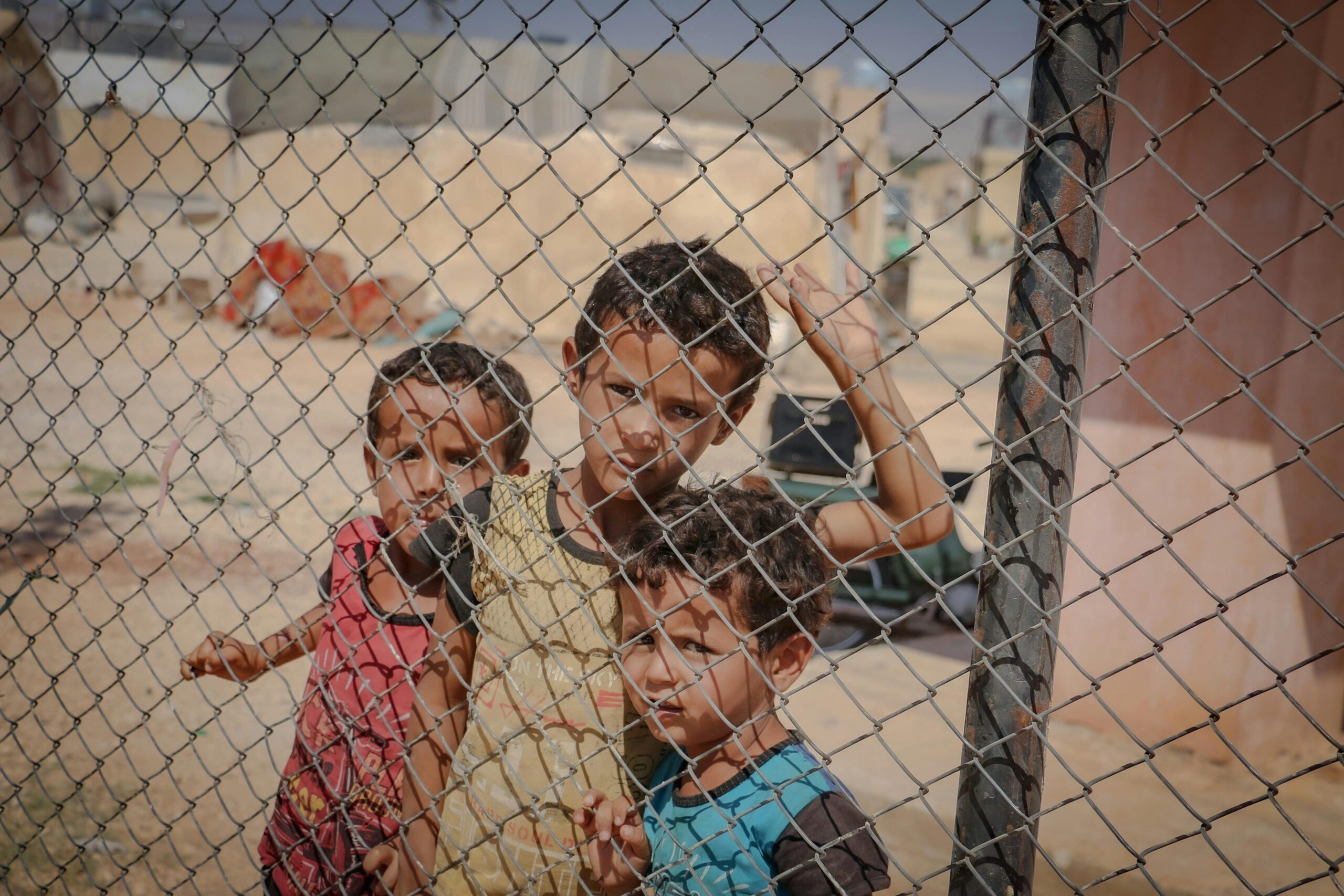
💪 The Unbroken Spirit: Finding Strength in Survival
Ultimately, the tale of bound fate is about the indomitable human spirit. Those who survive near-death experiences possess extraordinary resilience, and this same strength can fuel their journey from captive gratitude to authentic freedom. The survival instinct that kept them alive through initial trauma can be channeled toward surviving and escaping the secondary captivity of life debt.
The unbroken chain referenced in this narrative can be reinterpreted: not as permanent bondage to another person, but as the unbreakable human spirit that refuses to be fully subjugated, even under the weight of perceived cosmic debt. This spirit whispers that all humans deserve freedom, dignity, and self-determination, regardless of the circumstances that preserved their lives.
As society continues evolving toward greater recognition of human rights and individual autonomy, these stories of bound fate will hopefully become historical curiosities rather than ongoing realities. Until then, awareness, education, and support systems must help those trapped between gratitude and captivity find their way to authentic freedom—a freedom that honors both their past rescue and their present humanity.
The chains may be invisible, forged from obligation and gratitude rather than iron and steel, but they are no less real to those who wear them. Breaking free requires courage, support, and the revolutionary recognition that being saved does not mean being owned, that gratitude need not equal servitude, and that every human life—saved or otherwise—deserves the dignity of autonomy and the gift of unencumbered freedom.
