
Anúncios
Throughout history, royal marriages have transformed from cold political contracts into some of the world’s most captivating love stories, proving that duty and devotion can coexist beautifully.
💍 When Kingdoms Collide: The Traditional Purpose of Royal Marriages
For centuries, royal marriages served as the ultimate diplomatic tool in the arsenal of monarchs and kingdoms. These unions were carefully orchestrated arrangements designed to forge alliances, secure territorial borders, prevent wars, and consolidate power across Europe and beyond. Young princes and princesses were essentially pawns on a grand geopolitical chessboard, their personal feelings entirely secondary to matters of state.
Anúncios
The practice dates back to ancient civilizations, but it reached its zenith during the medieval and early modern periods. Royal families would negotiate marriage contracts with the same intensity as military treaties, often involving extensive dowries, territorial exchanges, and complex political stipulations. The bride and groom might not even meet until their wedding day, having perhaps only exchanged portraits painted by court artists who were often instructed to flatter their subjects.
These political alliances shaped the map of Europe as we know it today. The marriage of Ferdinand of Aragon and Isabella of Castile in 1469 united Spain. The union of Mary Tudor and Philip II of Spain attempted to bind England and Spain together, though ultimately unsuccessfully. The Habsburg dynasty became synonymous with strategic marriages, famously described by the Latin phrase “Bella gerant alii, tu felix Austria nube” – “Let others wage war; you, happy Austria, marry.”
Anúncios
🏰 The Evolution of Royal Romance Through the Centuries
As societies evolved and democratic ideals spread, the nature of royal marriages began to shift. The concept that monarchs and their heirs might actually marry for love rather than purely for political advantage was revolutionary, though it emerged gradually over several centuries.
The Victorian era marked a significant turning point. Queen Victoria herself married her beloved Prince Albert in 1840, and their relationship became the gold standard for royal romance. Their genuine affection for one another was evident in their correspondence, their nine children, and Victoria’s profound grief following Albert’s death in 1861. This highly publicized loving marriage began to reshape public expectations about what royal unions could be.
The Shifting Tides of the 20th Century
The twentieth century brought unprecedented changes to royal marriage customs. The abdication crisis of 1936, when King Edward VIII gave up the British throne to marry American divorcée Wallis Simpson, demonstrated that love could triumph over duty – though at tremendous personal cost. This scandal shocked the world and highlighted the tension between traditional expectations and personal happiness.
Post-World War II, royal families across Europe began cautiously permitting their heirs greater freedom in choosing spouses. While political and religious considerations remained important, the requirement for mutual affection became increasingly valued. The marriage of Princess Elizabeth (later Queen Elizabeth II) to Philip Mountbatten in 1947 was both a love match and an appropriate alliance, setting a precedent for future generations.
👑 Modern Royal Love Stories That Captured Hearts Worldwide
The late twentieth and early twenty-first centuries have witnessed several royal romances that captivated global audiences, transforming the public perception of royal marriages from stiff diplomatic arrangements into genuine fairytales.
Grace Kelly and Prince Rainier III of Monaco
Perhaps no royal marriage better exemplifies the transformation from political alliance to romantic fairytale than the 1956 union of Hollywood actress Grace Kelly and Prince Rainier III of Monaco. Their story had everything: glamour, beauty, a picturesque Mediterranean principality, and a reportedly genuine connection that developed despite the arranged nature of their initial meeting.
Grace Kelly gave up her successful acting career to become Princess Grace of Monaco, bringing international attention and prestige to the tiny principality. While their introduction was facilitated for political reasons – Monaco needed the publicity and legitimacy that such a high-profile marriage would bring – the couple appeared to develop genuine affection. They had three children together and remained married until Grace’s tragic death in a car accident in 1982.
Prince Charles and Lady Diana Spencer
The 1981 wedding of Prince Charles and Lady Diana Spencer was watched by an estimated 750 million people worldwide, making it one of the most-viewed events in television history. Diana, a young kindergarten teacher from an aristocratic family, seemed like the perfect fairytale princess. Her beauty, youth, and apparent innocence captured hearts globally.
However, this marriage also illustrated that not all modern royal unions achieve the fairytale ending. Despite producing two heirs and maintaining public appearances, the marriage was troubled from the start. The significant age gap, Charles’s continued attachment to Camilla Parker Bowles, and the intense media scrutiny contributed to the marriage’s dissolution. Their 1996 divorce and Diana’s tragic death in 1997 reminded the world that royal life, despite its glamour, comes with unique pressures and challenges.
Crown Princess Victoria of Sweden and Daniel Westling
The 2010 marriage of Sweden’s Crown Princess Victoria to her personal trainer, Daniel Westling (now Prince Daniel), represented a thoroughly modern royal romance. Victoria, heir to the Swedish throne, met Daniel at the gym where he worked. Their relationship developed naturally over several years, and despite initial concerns about Daniel’s common background and health issues, the Swedish royal family eventually gave their blessing.
Their wedding balanced tradition with modernity, and their evident love for one another was clear throughout the celebrations. This union demonstrated that contemporary European royals could marry for love while still fulfilling their duties to their nations. The couple now has two children, and Daniel has successfully transitioned into his role as a working royal, supporting his wife’s future reign.
💕 The Cambridge Love Story: William and Catherine
No contemporary royal romance has captured global imagination quite like that of Prince William and Catherine Middleton. Their relationship represents perhaps the most complete evolution from political alliance to genuine love story, as Catherine became the first “commoner” in centuries to marry an heir to the British throne in direct line of succession.
The couple met as students at the University of St. Andrews in Scotland in 2001, living in the same residence hall. Their friendship gradually developed into romance, though they kept their relationship relatively private during their university years. This period allowed them to build a genuine connection away from the intense scrutiny that would later define their public life.
After graduation, William and Catherine faced the challenges of maintaining a relationship under increasing media attention. They briefly separated in 2007, but reconciled later that year, with both later acknowledging that the break helped them understand the strength of their feelings. William’s proposal came in 2010 during a private holiday in Kenya, where he presented Catherine with his late mother’s sapphire and diamond engagement ring.
A Wedding for the Ages 👰
Their April 2011 wedding at Westminster Abbey was a global spectacle, watched by an estimated two billion people worldwide. Unlike arranged marriages of previous centuries, this was clearly a union based on mutual love, respect, and shared values. Catherine’s grace under pressure, her middle-class background, and her genuine affection for William endeared her to millions.
The couple has since had three children – Prince George, Princess Charlotte, and Prince Louis – and have become the modern face of the British monarchy. Their partnership appears to be one of equals, with Catherine taking on increasing royal responsibilities while William supports various causes close to his heart. They’ve managed to balance royal duty with relative normalcy for their children, a feat previous generations found impossible.
🌟 The Sussex Phenomenon: Harry and Meghan
The romance between Prince Harry and American actress Meghan Markle took the world by storm when it was announced in 2016. Their relationship represented several firsts: Meghan was biracial, American, divorced, and had an established career – all factors that might have prevented such a union in earlier decades.
Their whirlwind romance culminated in a May 2018 wedding at St. George’s Chapel, Windsor Castle. The ceremony brilliantly blended British royal tradition with American and African-American culture, featuring a passionate sermon by Bishop Michael Curry and a gospel choir performing “Stand By Me.” It felt like a thoroughly modern royal wedding for a new generation.
However, their subsequent departure from senior royal duties in 2020 and their revelations about their experiences within the royal family have sparked intense debate about the pressures of royal life, the role of the media, and issues of race and mental health. Regardless of one’s perspective on these events, their story demonstrates that even love-based royal marriages face unique challenges in the modern media landscape.
📱 Following Royal Romances in the Digital Age
The way we consume royal news has transformed dramatically with the advent of social media and digital technology. Royal watchers no longer need to wait for newspaper reports or evening television broadcasts to learn about their favorite royals. Instagram, Twitter, and dedicated royal news applications provide instant updates on royal activities, fashion choices, and family developments.
Official royal social media accounts offer curated glimpses into royal life, sharing photographs, video clips, and announcements directly with the public. This direct communication bypasses traditional media gatekeepers, though it also means royal families must carefully manage their digital presence and protect their privacy in an era of constant connectivity.
🎭 The Enduring Fascination: Why We Love Royal Romance
The global obsession with royal love stories reveals something profound about human nature and our collective need for romance, tradition, and fairytales. In an increasingly uncertain world, royal weddings offer spectacle, continuity, and hope. They provide a connection to history while showcasing contemporary values and changing social norms.
Royal romances also offer aspirational narratives. The “commoner” who becomes a princess by marrying for love represents a modern Cinderella story that resonates across cultures. These stories suggest that authentic connection can transcend class boundaries, that duty and love need not conflict, and that traditional institutions can adapt and remain relevant.
The Economic Impact of Royal Weddings
Beyond their emotional resonance, royal weddings generate significant economic activity. Tourism spikes in royal capitals, commemorative merchandise sells in vast quantities, and television networks compete for broadcasting rights. The 2018 wedding of Harry and Meghan reportedly generated approximately £1 billion for the British economy through tourism, merchandise, and hospitality.
Fashion choices by royal brides spark global trends. Catherine’s Alexander McQueen wedding dress inspired countless imitations, and her subsequent fashion choices consistently influence retail sales. This “Kate effect” demonstrates the ongoing cultural influence of royal figures in commercial markets.
🌍 Royal Marriages Beyond Europe
While European royal romances dominate Western media coverage, fascinating royal love stories exist in monarchies worldwide. Japan’s Princess Mako made headlines in 2021 when she married her college sweetheart Kei Komuro, forfeiting her royal status due to Japanese law requiring female imperial family members to leave the family upon marrying a commoner. Her choice prioritized love over royal privilege.
In Bhutan, King Jigme Khesar Namgyel Wangchuck married his queen, Jetsun Pema, in 2011 in a ceremony that blended Buddhist traditions with royal pageantry. Their evident affection and the queen’s dedication to her people have made them beloved figures in their nation and admired globally.
Middle Eastern royal families, while often more private about personal matters, have also seen love-based marriages gain prominence. Jordan’s Queen Rania, originally from a Palestinian family living in Kuwait, married the then-Prince Abdullah in 1993. Their partnership has become a model of modern Arab royal marriage, with Queen Rania becoming a prominent voice for education and women’s empowerment.
💫 The Future of Royal Romance
As we move further into the twenty-first century, royal marriages continue evolving. Younger generations of royals are increasingly marrying for love rather than political advantage, choosing partners who share their values and interests rather than simply appropriate pedigrees. This shift reflects broader social changes regarding marriage, individual autonomy, and the role of aristocracy in democratic societies.
Future royal marriages will likely continue balancing tradition with modernity, duty with personal fulfillment. As monarchies work to remain relevant in contemporary society, the ability of royal couples to present authentic, relatable relationships becomes increasingly important. The fairytale element remains, but today’s audiences expect substance behind the spectacle – genuine partnership, shared values, and meaningful contributions to society.
The transformation of royal unions from purely political alliances to love-based partnerships represents one of the most significant shifts in royal tradition over the past century. While diplomatic considerations haven’t entirely disappeared, they’ve been joined by expectations of mutual affection, respect, and compatibility. This evolution has made royal families more relatable and, paradoxically, has helped preserve monarchical institutions by demonstrating their ability to adapt to changing social values.
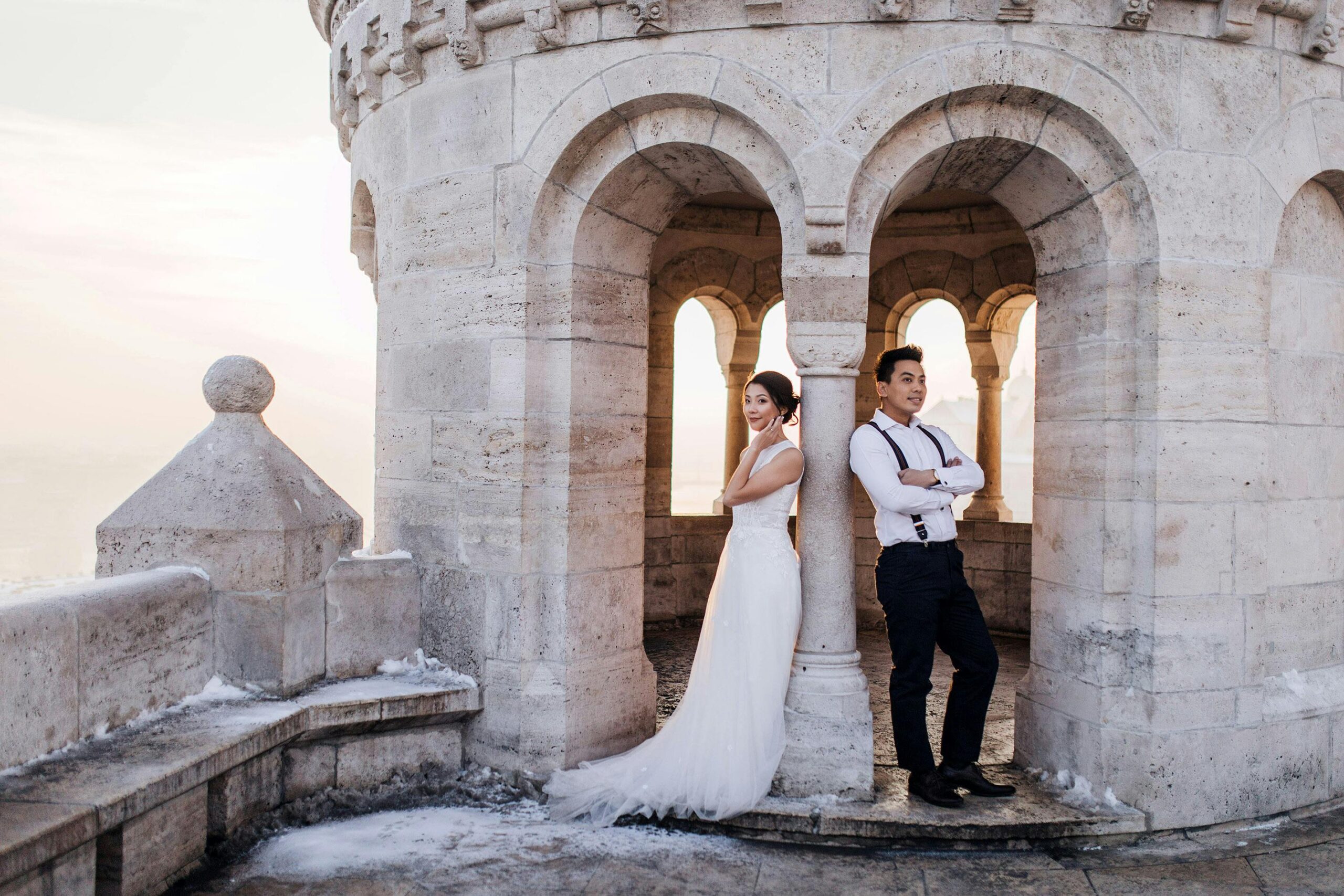
✨ Love Conquers All: The Lasting Legacy
The journey from arranged political alliances to fairytale romances reflects broader shifts in how societies value individual choice, romantic love, and personal happiness. Royal marriages no longer exist solely to unite kingdoms or prevent wars; they now serve as aspirational love stories that inspire millions globally. While challenges remain – intense scrutiny, loss of privacy, and the weight of tradition – modern royal couples navigate these pressures while building genuine partnerships.
These love stories remind us that even in the most traditional, protocol-bound institutions, human connection and authentic emotion can flourish. Whether it’s a future king meeting his queen at university, a prince falling for an actress, or a princess choosing love over royal status, these narratives demonstrate that the human heart cannot be fully constrained by duty or tradition. The royal wedding may be a spectacle, but the love story behind it has become what truly captures our collective imagination, proving that even in palaces and castles, love finds a way.
