
Anúncios
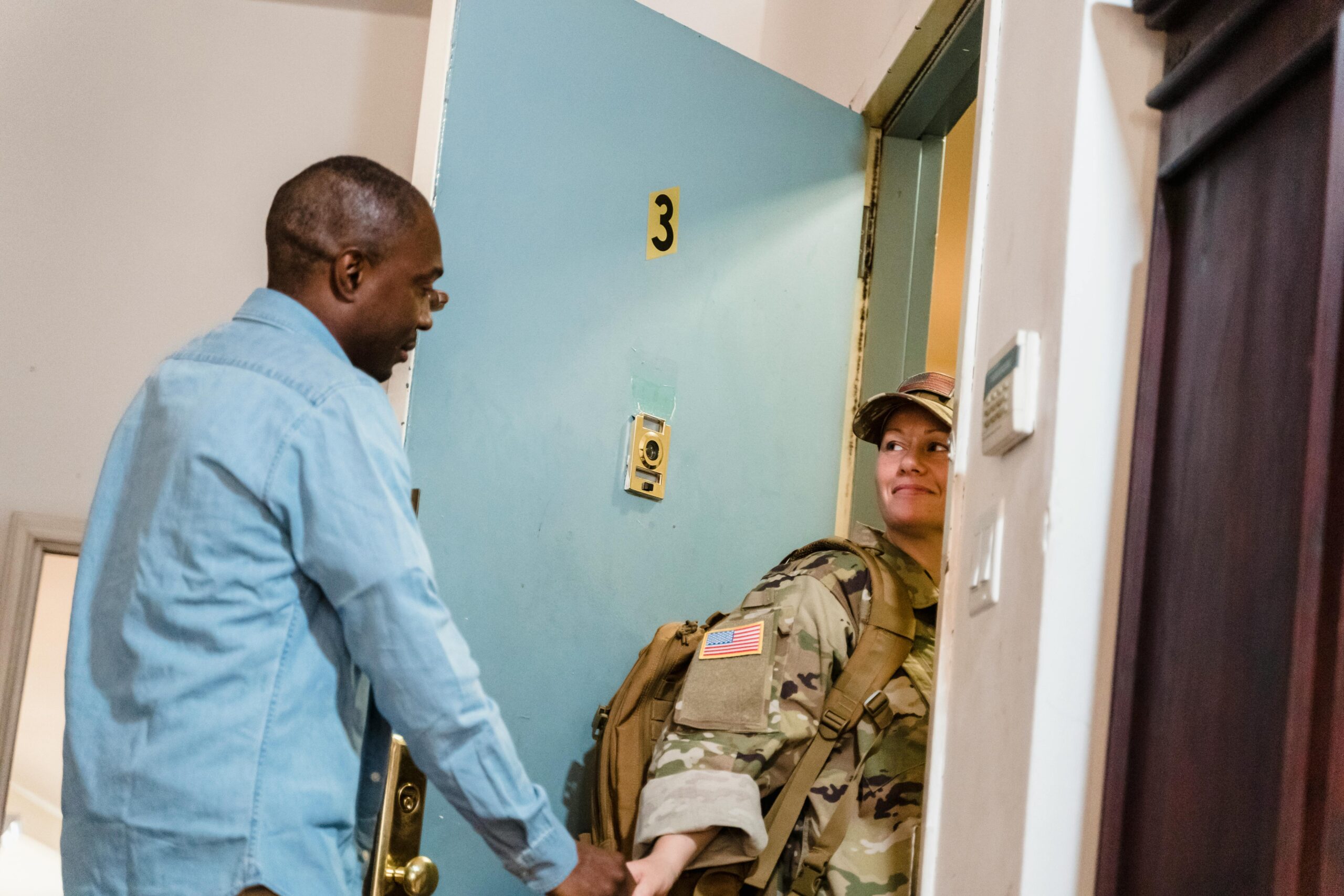
The reunion between a soldier returning from deployment and the daughter he never knew existed is a powerful story of love, resilience, and the unexpected paths life can take. 🎖️
The Unspoken Reality of Military Service and Lost Connections
Military service demands extraordinary sacrifice. Soldiers leave behind families, friends, and sometimes, relationships that remain unfinished. When deployed to distant lands, service members often lose touch with the civilian world they once knew. Communication becomes limited, relationships strain under the weight of distance, and life back home continues without them.
Anúncios
For some soldiers, the consequences of deployment extend far beyond what they could have imagined. Brief relationships before deployment can result in pregnancies that soldiers may never learn about. Former partners may choose not to contact them, believing it’s better to raise a child alone than to burden someone serving their country in dangerous conditions.
The emotional complexity of such situations creates layers of pain and confusion for everyone involved. Mothers raise children alone while holding secrets about absent fathers. Children grow up with questions about their identity and origins. And soldiers return home to discover their lives have changed in ways they could never have anticipated.
Anúncios
When Letters Arrive Years Too Late 📬
Many soldiers returning from war experience the shock of discovering fatherhood through unexpected channels. A letter forwarded through military channels, a message on social media, or a phone call from an unfamiliar number can suddenly reveal a truth that changes everything.
The initial reaction often combines disbelief, confusion, anger, and an overwhelming sense of loss. These men have missed birthdays, first steps, first words, and countless precious moments. The weight of absence becomes immediately tangible, even though they never knew what they were missing.
Some soldiers learn about their children through legal channels when mothers seek child support. Others discover the truth when conducting routine paperwork or background checks. Regardless of how the information surfaces, the revelation creates an immediate identity crisis: they must reconcile their self-image with the reality of being a parent.
The Emotional Battlefield After Deployment
Returning from combat deployment already presents significant psychological challenges. Post-traumatic stress disorder (PTSD), adjustment difficulties, and reintegration into civilian life create a complex landscape for veterans. Adding the discovery of an unknown child intensifies these challenges exponentially.
Many veterans struggle with feelings of guilt and shame. They question their worth as parents and wonder whether they have any right to enter their child’s life after such prolonged absence. The internal dialogue becomes brutal: “What kind of father doesn’t know his own child exists?” or “How can I possibly make up for lost time?”
Mental health professionals emphasize that these situations require compassionate support and understanding. Veterans dealing with such revelations benefit from counseling that addresses both their combat experiences and the complex emotions surrounding newfound parenthood.
Taking the First Steps Toward Connection 👣
Once the initial shock subsides, soldiers face the daunting task of establishing contact. This journey requires courage, humility, and patience. The approach must be thoughtful and considerate of the child’s emotional well-being and the mother’s circumstances.
Legal considerations often come into play. Establishing paternity may require DNA testing, even when all parties acknowledge the relationship. Understanding custody rights, visitation schedules, and child support obligations becomes necessary, though many fathers emphasize that their desire extends far beyond legal requirements.
The first meeting carries enormous emotional weight for everyone involved. Soldiers often prepare extensively, seeking advice from counselors, other veterans who’ve experienced similar situations, and family members. They grapple with questions about what to say, how to act, and how to begin building a relationship with someone who is both a stranger and family.
What Children Need to Hear
Child psychologists emphasize several key messages that children need when meeting absent fathers for the first time:
- Clear reassurance that the father’s absence was not the child’s fault
- Honest, age-appropriate explanations about why the father was absent
- Expressions of genuine desire to be present moving forward
- Patience and understanding that trust must be earned over time
- Respect for the child’s feelings, including anger or confusion
- Acknowledgment of the mother’s role in raising the child alone
These conversations cannot undo years of absence, but they establish a foundation for potential future relationship. Children need space to process their emotions and should never feel pressured to immediately accept or love an absent parent.
Navigating Co-Parenting After Years Apart
Establishing a co-parenting relationship years after a child’s birth presents unique challenges. The mother has developed routines, rules, and parenting philosophies without input from the father. Suddenly introducing another parental voice can disrupt established dynamics.
Successful co-parenting in these situations requires exceptional communication skills and flexibility from both parents. The soldier must respect the foundation the mother has built while gradually establishing his own relationship with the child. This balance demands humility and the recognition that he enters an existing family system rather than creating a new one.
Many veterans find that support groups specifically for fathers reconnecting with children provide invaluable guidance. Sharing experiences with others who understand the unique challenges helps normalize the difficulties and provides practical strategies for building relationships.
Building Trust Through Consistency 🤝
Trust cannot be demanded or rushed—it must be earned through consistent, reliable presence. For soldiers accustomed to following orders and achieving clear objectives, the slow, uncertain process of building trust with a child can be frustrating.
Experts recommend starting with small, manageable commitments that the father can reliably keep. Regular phone calls, video chats, birthday cards, and attendance at important events demonstrate ongoing investment in the child’s life. Each kept promise builds credibility, while broken commitments reinforce abandonment fears.
The timeline for developing genuine connection varies dramatically between families. Some children quickly embrace their fathers, eager for the relationship they’ve longed for. Others remain guarded for months or years, testing whether this new presence will prove permanent or disappear like before.
The Complex Role of Extended Family
Discovering an unknown grandchild, niece, nephew, or cousin creates ripples throughout extended family networks. Grandparents may experience their own grief over missed years and eagerness to establish connections. Siblings might feel conflicted about welcoming a new family member or protective of the brother who served his country.
Family dynamics can either support or complicate the soldier’s journey to connect with his child. Supportive families provide emotional encouragement, help facilitate meetings, and welcome the child unconditionally. Problematic family responses—skepticism about paternity, criticism of the mother, or unwelcome advice—can create additional barriers.
Successful integration of the child into extended family requires clear boundaries and open communication. The soldier must advocate for both his child and the child’s mother, ensuring respectful treatment from all family members.
Legal Considerations and Parental Rights ⚖️
Establishing legal paternity provides important protections and benefits for children, including inheritance rights, access to military benefits, and health insurance coverage. Veterans should work with family law attorneys experienced in military matters to understand their rights and responsibilities.
| Legal Aspect | Considerations |
|---|---|
| Paternity Establishment | DNA testing, voluntary acknowledgment, or court determination |
| Child Support | Retroactive and ongoing financial obligations |
| Custody and Visitation | Parenting time schedules, decision-making authority |
| Military Benefits | Healthcare, education benefits, survivor benefits |
| Name Changes | Whether child may take or add father’s surname |
While legal frameworks provide structure, the most meaningful relationships transcend court orders and legal obligations. Soldiers must view legal proceedings as establishing minimum requirements while striving to exceed them through genuine involvement.
Healing Old Wounds While Creating New Memories 💚
Many soldiers harbor their own childhood wounds related to absent parents or difficult family dynamics. Discovering an unknown child can trigger unresolved pain about their own upbringing. This intersection of past and present requires careful emotional processing.
Therapy specifically addressing intergenerational patterns helps veterans break cycles of absence and create healthier patterns for their own children. Understanding how their parents’ choices affected them provides insight into how their absence has impacted their newly discovered child.
Creating new, positive memories becomes essential for building relationship. Shared activities—whether attending sporting events, helping with homework, or simply spending time together—gradually build the connection that time and distance prevented earlier.
When Deployment Continues to Interfere
Active-duty soldiers may face additional deployments even after discovering their children. This reality creates anxiety for everyone involved. The child may fear abandonment again, the mother may worry about broken promises, and the soldier experiences guilt about leaving again.
Preparing children for deployment requires honest communication appropriate to their age. Maintaining connection through video calls, letters, and care packages helps sustain the relationship across distance. Many military families find that technology significantly eases the challenges of separation compared to previous generations.
Some soldiers opt to transition out of military service to prioritize their newfound parenting responsibilities. This decision carries its own complications—career changes, financial adjustments, and loss of military identity—but reflects deep commitment to being present for their children.
Stories of Redemption and Reconnection 🌟
Despite the challenges, countless soldiers successfully build meaningful relationships with children they initially never knew existed. These stories of redemption demonstrate the remarkable capacity of human hearts to expand and embrace new realities.
Veterans describe the profound joy of watching their children’s activities, helping with school projects, and being present for ordinary moments they once thought lost forever. Many report that fatherhood gives them renewed purpose and motivation to address their own challenges, including PTSD and adjustment difficulties.
Children, too, often express relief and happiness at finally knowing their fathers. Even when relationships require time to develop, many children appreciate having answers to long-held questions about their identity and family history.
Resources and Support Systems for Soldiers
Various organizations provide support specifically for veterans navigating family reconnection. The Department of Veterans Affairs offers counseling services addressing family relationships. Nonprofit organizations focused on military families provide resources, support groups, and sometimes financial assistance for travel to facilitate meetings.
Online communities allow soldiers to connect with others facing similar situations, sharing experiences and advice. These forums provide judgment-free spaces where veterans can express fears, celebrate successes, and seek guidance from peers who truly understand.
Family counseling that includes the soldier, mother, and child (when age-appropriate) can facilitate communication and establish healthy relationship patterns. Professional mediators help navigate conflicts and misunderstandings that naturally arise in these complex situations.
The Journey Forward: Building Lasting Bonds
Discovering an unknown child transforms a soldier’s life completely. The initial shock eventually gives way to the daily work of building relationship—attending parent-teacher conferences, learning about the child’s interests, and showing up consistently despite difficulties.
This journey requires patience, humility, and unwavering commitment. There will be setbacks, misunderstandings, and moments when the weight of lost years feels overwhelming. But there will also be breakthrough moments—first genuine hugs, hearing “I love you, Dad” for the first time, or witnessing the child’s pride in their father’s service.
The path from discovery to genuine connection varies for every family, but the destination—a meaningful parent-child relationship—makes the journey worthwhile. Soldiers who commit to this process often describe it as the most important mission of their lives, one that brings purpose and healing they never expected.
Ultimately, these stories remind us that family connections can be forged at any point, that absence can be overcome with presence, and that love—though tested by time and distance—has the power to bridge even the widest gaps. For soldiers returning from war to discover children they never knew, the journey ahead presents challenges, but also the extraordinary opportunity to become the fathers they were always meant to be. 🇺🇸
